

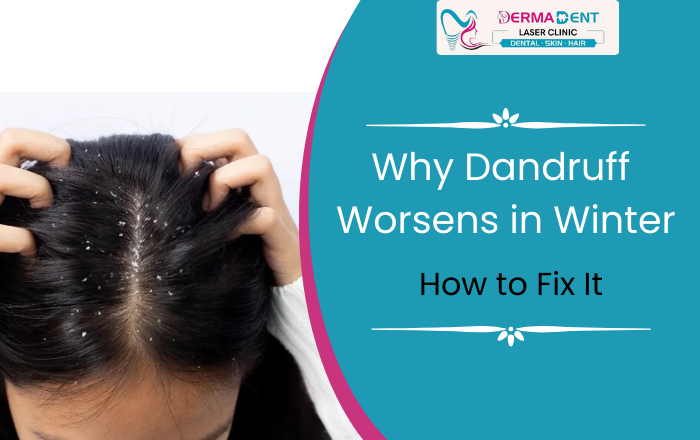
Have you noticed those annoying white flakes multiplying on your shoulders as soon as the temperature drops? You’re not alone. Winter dandruff affects millions of people worldwide, turning what should be a cozy season into an itchy, embarrassing nightmare. The cold weather doesn’t just bring chilly winds—it brings a perfect storm of conditions that make your scalp revolt.
If you’ve been battling persistent flakes, itching, and scalp irritation every winter, you’re about to discover exactly why this happens and, more importantly, how to stop it fast. This comprehensive guide reveals the science behind winter dandruff and five proven strategies to restore your scalp health before your next social gathering.
What Exactly Is Dandruff?
Dandruff is a common scalp condition characterized by flaking of the skin on your scalp. These flakes are dead skin cells that shed more rapidly than normal. While dandruff itself isn’t contagious or serious, it can be uncomfortable and embarrassing.
The condition is often caused by seborrheic dermatitis, a chronic inflammatory skin condition that affects oil-producing areas of the body. Other factors include fungal infections (particularly Malassezia), dry skin, sensitivity to hair products, and various skin conditions like psoriasis or eczema.
Why Does Dandruff Get Dramatically Worse in Winter?
▸The Cold Air Effect
Winter air is significantly drier than summer air. When humidity levels plummet, your scalp loses moisture rapidly, leading to dry, flaky skin. Cold outdoor temperatures combined with indoor heating systems create an environment where your scalp struggles to maintain its natural moisture barrier.
▸Indoor Heating Systems
Central heating systems are dandruff’s secret accomplice. While they keep you warm, they also strip moisture from the air and your skin. Spending hours in heated rooms causes your scalp to become dehydrated, triggering excessive flaking and irritation.
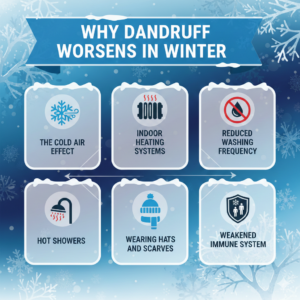
▸Reduced Washing Frequency
Many people wash their hair less frequently during winter to avoid cold showers or because they think it’ll help retain oils. However, this can backfire. Dead skin cells and scalp oils accumulate, creating the perfect breeding ground for Malassezia fungus, which feeds on these oils and accelerates dandruff formation.
▸Hot Showers
Those steaming hot showers feel amazing in winter, but they’re terrible for your scalp. Hot water strips away natural oils that protect your scalp, leaving it dry, irritated, and prone to flaking. The hotter the water, the worse the damage.
▸Wearing Hats and Scarves
Winter accessories trap heat and moisture against your scalp. This creates a warm, humid environment that encourages fungal growth. Additionally, hats can irritate your scalp through friction, causing more flaking and discomfort.
▸ Weakened Immune System
Winter often brings reduced vitamin D levels due to less sunlight exposure. Vitamin D plays a crucial role in skin health and immune function. A weakened immune system can’t fight off the Malassezia fungus as effectively, allowing dandruff to flourish.
5 Proven Solutions to Fix Winter Dandruff Fast
1. Switch to Anti-Dandruff Shampoos with Active Ingredients
Not all anti-dandruff shampoos are created equal. Look for products containing:
- Zinc pyrithione: Antifungal and antibacterial properties that combat Malassezia
- Ketoconazole: Powerful antifungal that treats severe dandruff
- Selenium sulfide: Reduces fungal growth and slows skin cell turnover
- Coal tar: Slows how quickly scalp cells die and flake off
- Salicylic acid: Helps exfoliate dead skin cells
Use these shampoos 2-3 times weekly, leaving the lather on your scalp for 5 minutes before rinsing. Alternate with a gentle, moisturizing shampoo to prevent over-drying.
2. Moisturize Your Scalp Regularly
Just like you moisturize your face, your scalp needs hydration too. Apply natural oils that combat both dryness and fungal growth:
- Tea tree oil: Natural antifungal with proven anti-dandruff properties
- Coconut oil: Moisturizing and antimicrobial
- Jojoba oil: Mimics scalp’s natural sebum
- Argan oil: Rich in vitamin E and fatty acids
Apply your chosen oil to your scalp 30 minutes before shampooing. Massage gently to improve circulation and oil absorption.
3. Adjust Your Hair Washing Routine
Find the sweet spot for washing frequency—typically 3-4 times per week during winter. Use lukewarm water instead of hot, focusing on thoroughly rinsing out all shampoo residue, which can cause irritation if left behind.
When shampooing, spend extra time massaging your scalp with your fingertips (not nails) to loosen flakes and improve blood circulation.
4. Humidify Your Environment
Combat indoor heating by using a humidifier in rooms where you spend most time. Aim for 40-50% humidity levels. This simple addition helps your scalp retain moisture naturally and reduces the severity of winter dandruff.
Place a small humidifier near your bed for overnight relief, as you spend 6-8 hours sleeping in dry, heated air.
5. Modify Your Diet and Supplement Intake
Your scalp health reflects your internal health. Boost your intake of:
- Omega-3 fatty acids: Found in salmon, walnuts, and flaxseeds
- B vitamins: Especially biotin and B6
- Zinc: Supports immune function and skin health
- Probiotics: Balance your body’s natural flora
- Vitamin D: Consider supplements during winter months
Stay hydrated by drinking at least 8 glasses of water daily to help your skin maintain moisture from within.
Additional Quick Fixes for Immediate Relief
▸Apple Cider Vinegar Rinse
Mix equal parts apple cider vinegar and water. After shampooing, pour this mixture over your scalp, massage gently, and rinse after 5 minutes. The acidity helps balance your scalp’s pH and reduce fungal growth.
▸Aloe Vera Treatment
Apply pure aloe vera gel directly to your scalp. Its anti-inflammatory and moisturizing properties provide instant relief from itching while promoting healing.
▸Reduce Styling Product Use
Hair sprays, gels, and dry shampoos can build up on your scalp, irritating it and contributing to flaking. Minimize their use during winter or wash more frequently if you must use them.
When to Seek Professional Help
While these solutions work for most people, sometimes dandruff indicates a more serious condition. Consult a dermatologist if:
- Dandruff persists after 4-6 weeks of treatment
- Your scalp becomes severely inflamed, red, or painful
- Flakes appear thick, yellow, or crusty
- Hair loss accompanies the dandruff
- The condition spreads beyond your scalp to your face or body
Professional treatments may include prescription-strength shampoos, topical steroids, or antifungal medications tailored to your specific condition.
Book Your Dandruff-Free Scalp Treatment Today
Winter dandruff doesn’t have to ruin your season. By understanding why cold weather triggers increased flaking and implementing these five proven solutions, you can restore your scalp health quickly and confidently. Remember, consistency is key—stick with your chosen treatment for at least 4 weeks to see results.
Start with the basics: switch to an anti-dandruff shampoo with active ingredients, moisturize your scalp regularly, and adjust your washing routine. Add environmental changes like humidifiers and dietary improvements for comprehensive care.
If you’re struggling with persistent winter dandruff despite trying these solutions, don’t suffer in silence. Professional dermatological care can identify underlying conditions and provide targeted treatments for lasting relief. For expert dandruff treatment and personalized scalp care solutions, consider consulting specialists like Dr. Priyanka Tambe at DermaDent Laser Clinic in Dhankawadi, where advanced treatments combine with compassionate care to restore your scalp health and confidence.
Take action today—your flake-free winter starts now.